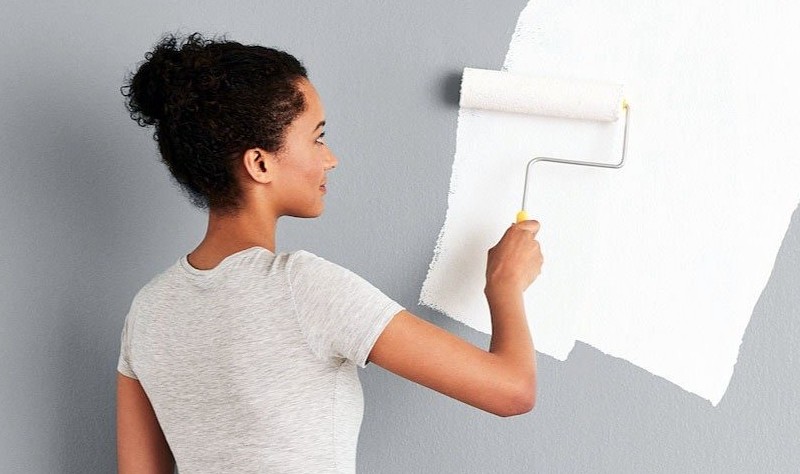
Is It Necessary To Apply Primer Before Painting?
For people painting their house walls for the first time or inexperienced painters, priming the surfaces is optional. Usually, they believe skipping the step won’t make a difference, but professional painters always apply primer before painting because it is necessary.
Primer and paint are different products, serving different purposes. Therefore, when your house walls require a paint job, hire experienced painters in Australia to do the task. They have the necessary experience, products and equipment to manage the activity professionally.
However, if you plan to do it yourself, look at this complete guide outlining what is a primer, why it’s necessary and other important information.
What Is A Primer?
Contrary to popular belief, a primer is not paint, but it looks and feels like one. Primers are highly concentrated with resins/solids and adhesive binder. These products are necessary for sealing a surface and ensuring the paint glides, adheres and looks good on it.
Think of primer as an adhesive agent or sealant than a paint that helps protect the walls and make the paint layers smooth. Here are different types of primers professional painters in Australia use for protecting walls and ensuring the paint job lasts long.
• Drywall primer
• Bonding primer
• Wood primer
• Masonry primer
• Stain-blocking primer
Importance of Priming Walls
Professional painters in Australia prime walls before painting for better binding and coating. They understand the importance of doing this step, which is why you should too when DIY painting your house walls.
• A primer helps seal porous surfaces like drywall and prevents them from absorbing more paint. Thus, you use less product, and the imperfection in the surface appear less prominently.
• Without a primer, it is difficult to get good coverage and apply the paint smoothly.
• Primer is the first layer of protection on walls & other surfaces. It helps make a hold for the paint, increasing its durability and improving the structural integrity of the surface.
• It is expensive to fix rough spots and patches with paint because it costs more. A primer can level surfaces economically as it would take a few coats of paint to cover blotches if you don’t apply it first.
• Since less paint seeps into the wall due to primer protection, the paint application is uniform and clear.
• Often when first time painters apply paint without prepping, the paint gets absorbed more, and the colour appears dull. The results are not what you expect, causing frustration and usage of more paint than necessary.
• People living in humid areas or places where storms, floods and cyclones are frequent should prime their walls before painting to avoid cracks, peeling, chipping or blisters.
• Priming damaged walls is crucial to avoid discolouration from mucking the paint job. This step is imperative when you are painting drywall or wood surface with water or smoke damage.
How To Apply Primer?
You must prep walls or any other surface you want to paint to ensure the results are smooth, the application is uniform and the colour is clean. Here is what you need to do to apply the primer correctly.
• Ensure the area is clean and dry.
• Smoothen the surface with sandpaper and cleaning tools to remove dust, dirt and other contaminants.
• Always move top to bottom while cleaning, sanding or coating walls to save time and energy.
• Patch holes, marks, and damage on walls before applying primer.
• Wear proper personal protective equipment to prevent exposure to strong smells and chemical fumes. Get face masks, overalls, goggles and gloves while applying primer or paint on walls.
• Make sure to use the right primer for the surface you are painting. Ask a professional painter in Australia for assistance if you don’t know how to prep, prime or paint walls.
• Keep the area well-ventilated by opening windows and doors while working.
• Make sure the primer is completely dry before painting. Depending on weather conditions and ventilation, it can take a few days.
• Always read the label on the primer container to learn about the required dwell time, application precautions and other useful information.
When Not To Apply Primer?
Usually, applying a primer is always recommended, but you don’t have to when coating the walls with a paint that has added primer. Many first time painters opt for these products to avoid the hassle of priming and painting the walls and completing the paint job faster. However, these products are not suitable for every surface, and you should use them wisely.
The Bottom Line
Is it necessary to apply primer on walls or other surfaces before painting? In most cases, yes, because it acts as a sealant or adhesive to bind the paint effectively and make it more durable. However, hire professional painters in Australia if you are confused or lack the experience for preparing, priming and painting your house.
-
17 Jul, 2025
-
23 Jun, 2025

-
05 May, 2025
-
04 Mar, 2025

-
27 Dec, 2024

We have a proven track record of providing high-quality and customised painting services at the best price. Call us for more details.